A Better Built Sleeve for Fully Rigged Fly Rods
If you keep your fly rod assembled and rigged, you are looking for protection that works with your system, not against it.
Many brands offer versions of rigged rod sleeves and rod boots. They operate in the same category. Slide a sleeve over the rod. Protect the guides and blank. Keep the fly contained while you move between spots.
Riversmith Rig Wraps follow that same idea. The difference is in the materials, the fit, and how they behave inside a rod carrier.
Tighter weave. Smoother finish. Better control of multi-fly rigs.
Many fly rod sleeves use a looser mesh construction. That creates small openings where hooks and leader material can catch. It does not seem like much until you are picking a fly out of fabric or untangling a two-nymph rig that wove itself into the sleeve.
Riversmith Rig Wraps use a tightly braided, expandable sleeve with a snag-resistant coating. The weave is compact. The outer surface is smooth. Flies are less likely to penetrate the material. Leaders stay aligned along the blank instead of threading through the sleeve.
If you are searching snag resistant fly rod sleeve, fly rod wrap for rigged rod, assembled fly rod protection, or fly rod travel sleeve, this is the detail that changes daily use.
Full-length coverage, including the cork
Some rod sleeves focus on the tip section. Many sleeves protect the blank but leave the cork exposed and rely on an external elastic cord to secure everything.
Rig Wraps cover the entire rod in one continuous sleeve, including the cork handle. There is no separate elastic band. No cord to stretch out or get misplaced. The sleeve expands over the guides and contracts naturally around the blank and grip.
For anglers searching full fly rod protection, cork handle protection, or complete rigged rod sleeve, that one-piece coverage matters.

Carrier-friendly design that slides in cleanly
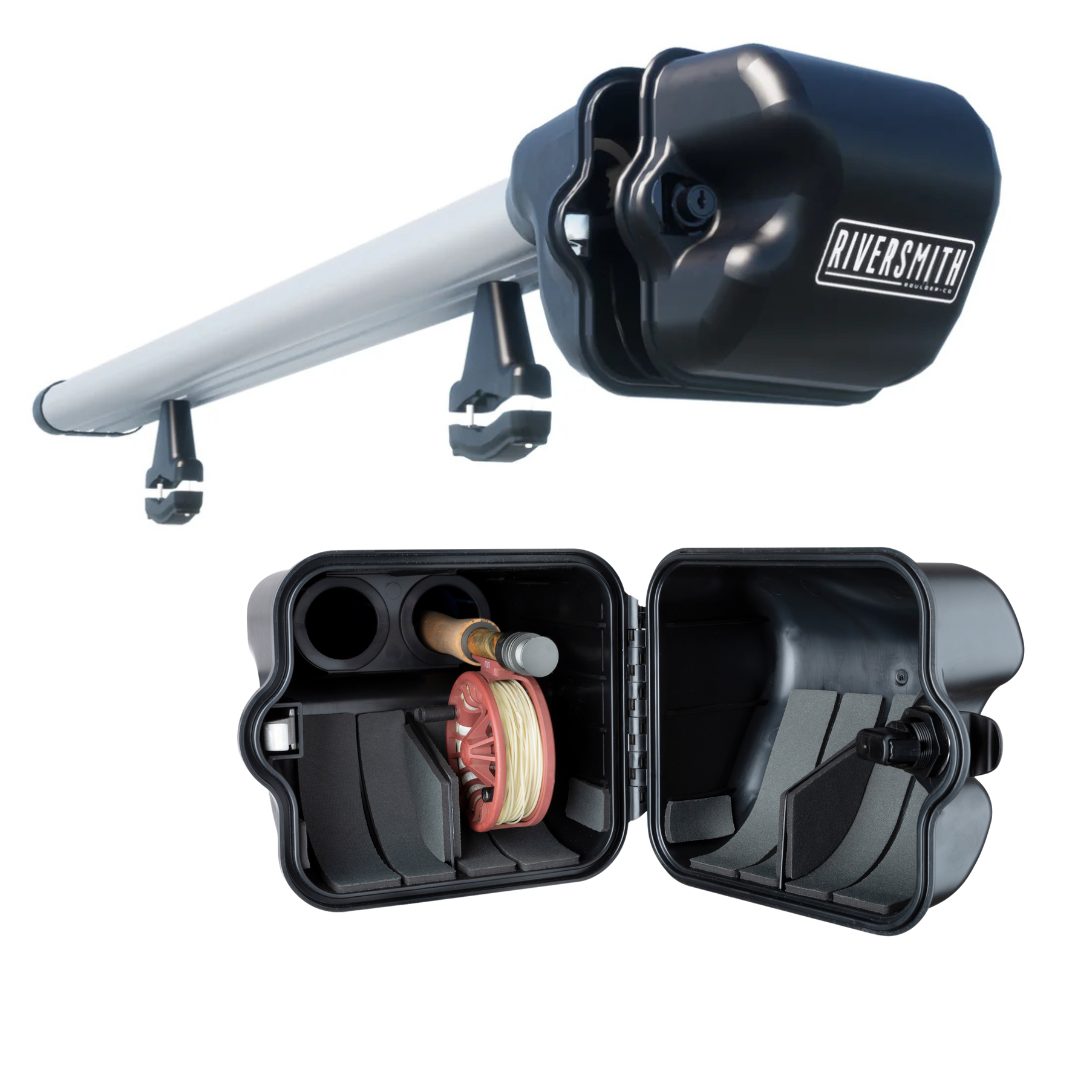
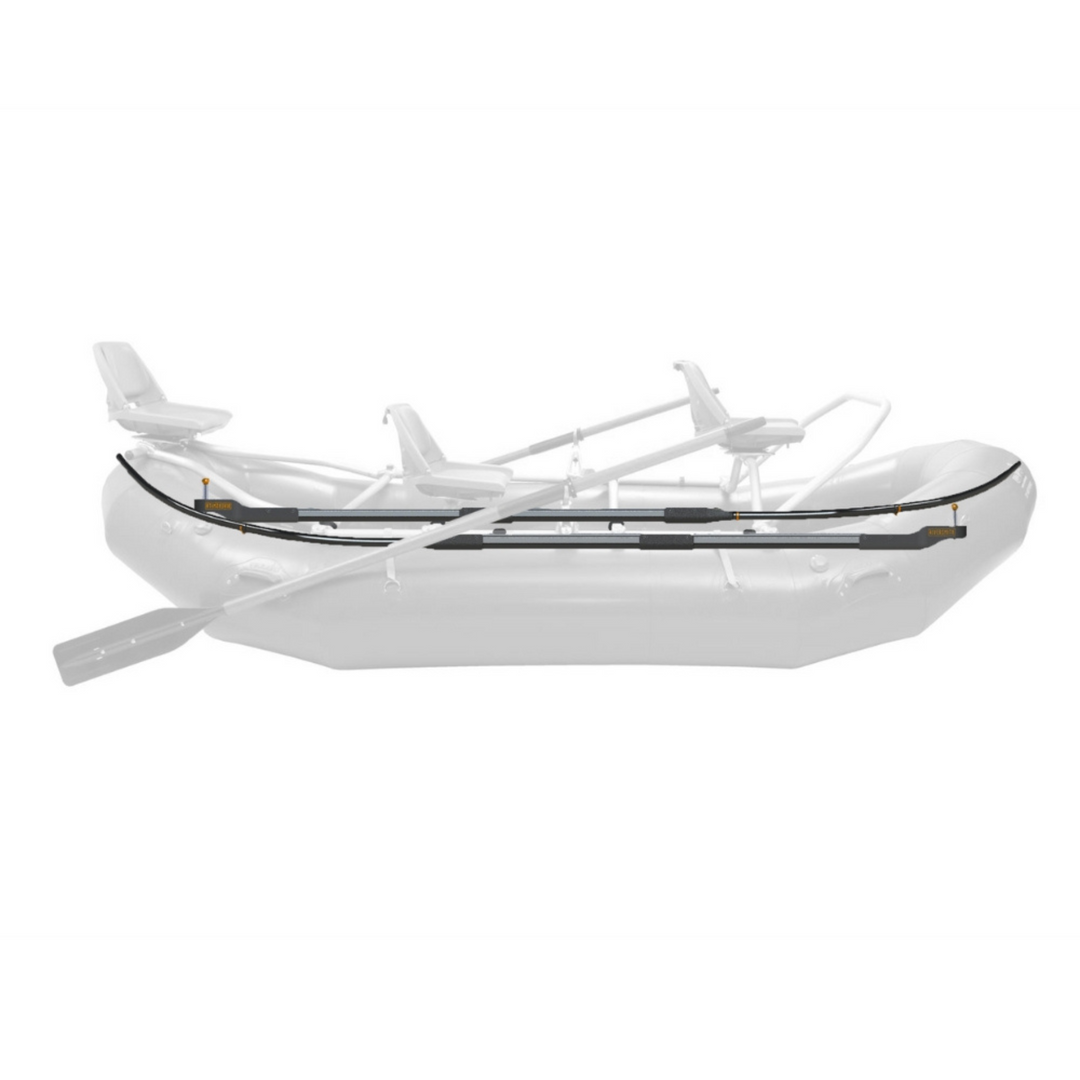
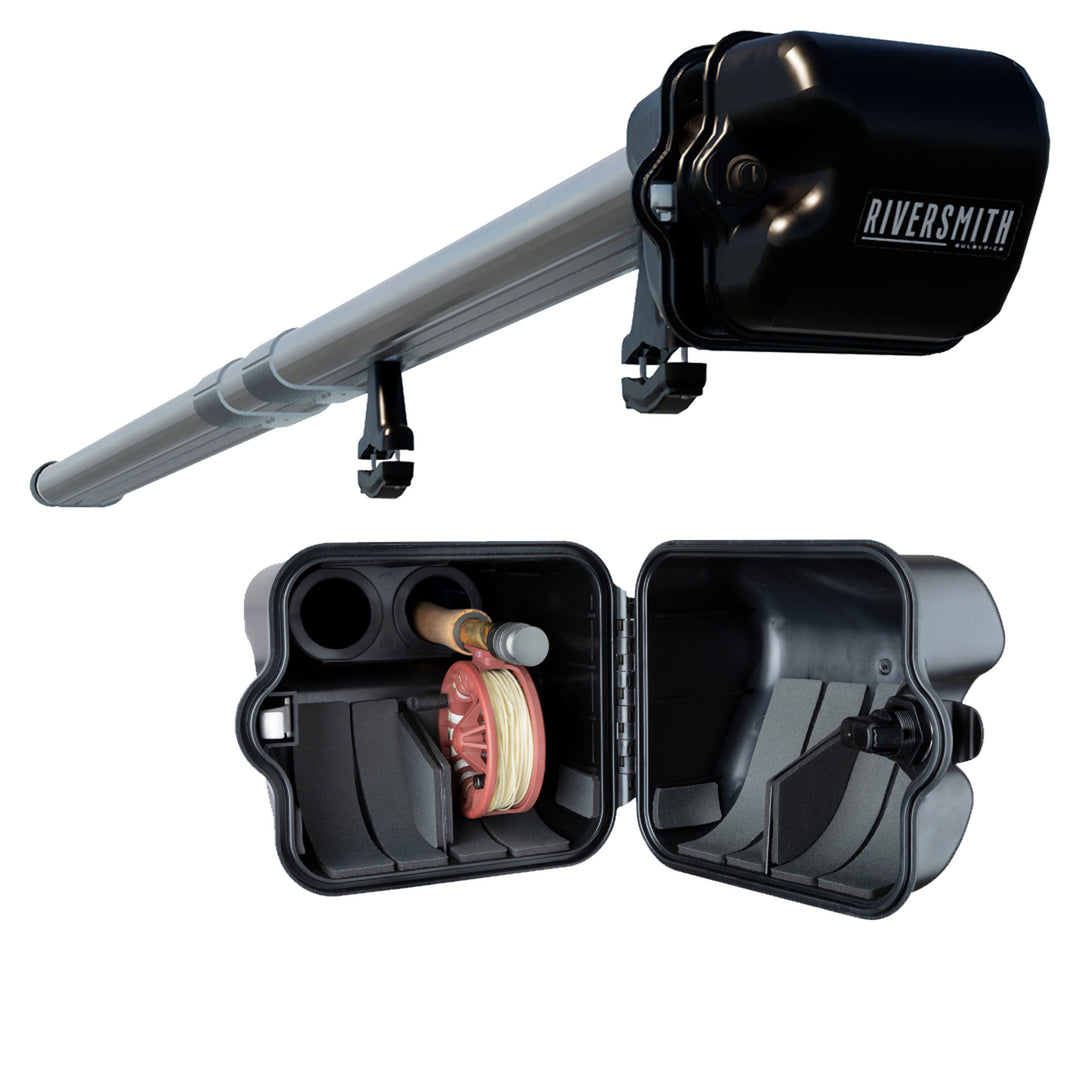
The real test of any fly rod sleeve happens inside a hard carrier, rooftop system, drift boat locker, raft frame, or truck bed setup.
Looser sleeves and external cords tend to catch on internal edges. They bunch up. They hang halfway in. You end up forcing the rod instead of sliding it smoothly.
Rig Wraps were built to be friendly with any rod carrier. The tighter weave and coated surface slide more cleanly into enclosed storage and resist the common problem of getting stuck inside. Whether you use a Riversmith River Quiver, a ShortCut River Quiver, or another fly rod carrier, the wrap moves in and out with less friction and less adjustment.
Search terms like fly rod wrap for River Quiver, rod sleeve for rooftop fly rod carrier, fly rod protection for travel, and rigged rod protection all point to this use case.
Many anglers also use Rod Chairs inside their carriers, especially on rough roads where added shock control is important. They do a strong job buffering rods and limiting movement inside the case, and plenty of anglers rely on them. At the same time, feedback over the years has been consistent. On windy days they can disappear. On heavier rods, especially over a 7-weight in a ShortCut, they are not always the best fit. Some anglers prefer that system. Others want something that controls multi-fly rigs more tightly and stays with the rod at all times.
That range of real-world use is part of why we released the Rig Wrap: Fly Rod Sleeve. It keeps complex rigs under control, reduces tangles, covers the entire rod including the cork, and provides a clean, carrier-friendly profile for larger rods and everyday transport.
Rigging it right: single fly, multiple flies, and tag droppers
A hook is designed to stick into things and hold in that thing. The tight weave and coating help, but the hooks still need to be secured before the Rig Wrap goes on. The exact steps depend on how your rig is set up.
For a single fly on a full-length rod, reel in enough that the fly reaches the hook keeper or the guide closest to the cork, secure it there, and slide the wrap on. For longer leaders, indicators, or multiple inline flies, wrap the extra leader around the reel foot to take up slack, then land the flies on nearby guides so tension holds the rig snug along the blank.
A ShortCut rod needs to be folded before the wrap goes on. Reel in to the first part of the rig that should not pass through the tip top, separate the rod at the center ferrule, fold the halves together, wrap the loose line around the reel foot, and position the tip top flush with or slightly behind the butt section so it cannot catch in the reel-box door.
Tag droppers take a little more attention since the fly hangs off to the side of the leader instead of following it inline. Secure it to a nearby guide if it reaches one. If it does not, cover the hook point with a small piece of foam, tape, or hook-and-loop material before sliding the wrap on.
The full rigging guide, with step-by-step instructions for full-length rods, tag droppers, and shortening the wrap for a smaller rod, is here: Riversmith Rig Wraps: rigging guide and usage tips.
Same category. More refined build
There are tons of rod sleeve options available. The separation comes down to a tighter braided sleeve, a snag-resistant coating, full cork coverage without an elastic cord, and a profile designed to work smoothly inside any rod carrier, in a rod rack, in the garage, or anywhere you store rods.
If you store and transport fully rigged fly rods and want durable, carrier-friendly protection that reduces hook snags and tangles, Riversmith Rig Wraps were built with that routine in mind.